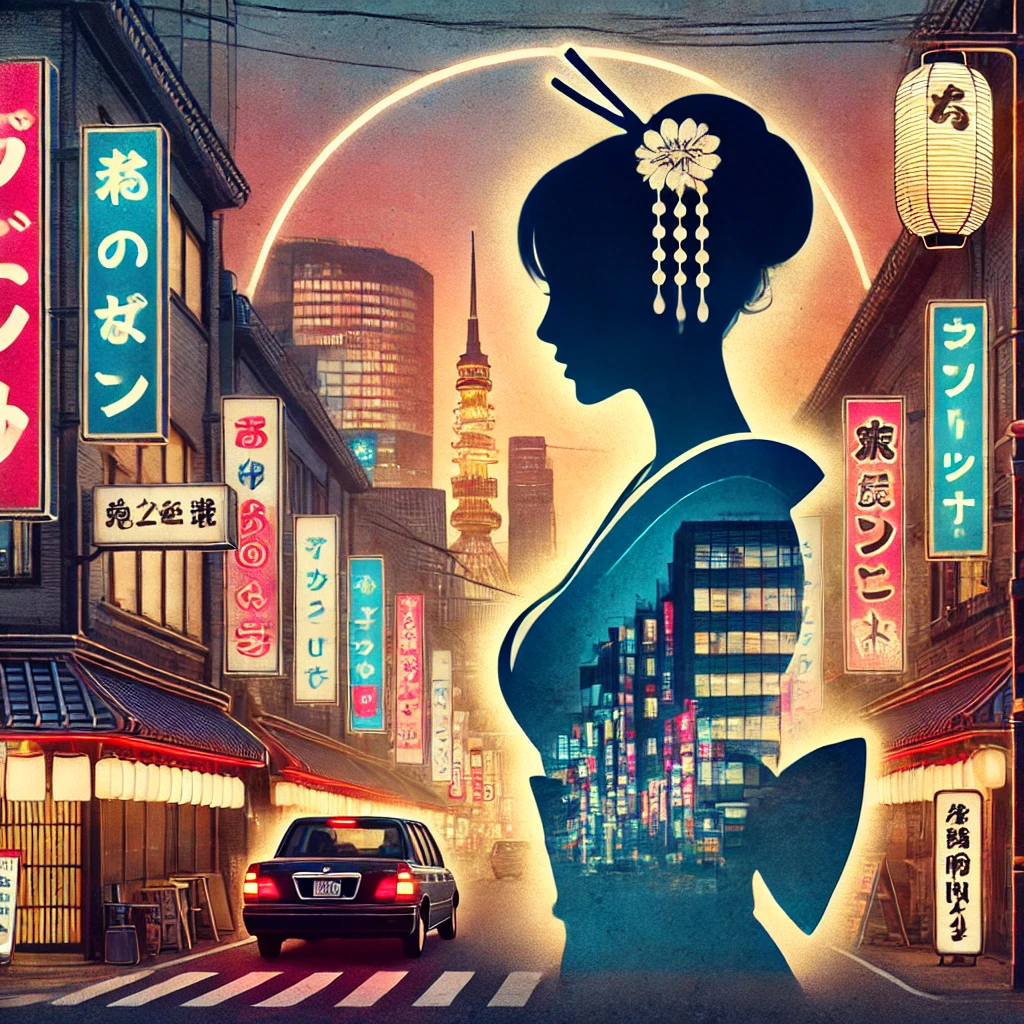
Japan’s fuzoku (風俗) industry, often translated as the adult entertainment industry, is a unique and complex part of Japanese nightlife. Unlike in many other countries, the fuzoku industry operates within legal gray areas, following strict regulations while catering to various preferences.
Types of Fuzoku Establishments
The fuzoku industry includes a wide range of establishments, from non-sexual services to full-fledged adult entertainment. Below is a table summarizing the major types:
| Type | Description | Physical Contact Allowed? |
|---|---|---|
| Kyabakura (キャバクラ) | Hostess clubs where women entertain male guests with conversation and drinks. | ❌ No |
| Host Clubs | Similar to kyabakura, but with male hosts entertaining female guests. | ❌ No |
| Girls’ Bars | Women serve drinks and chat with customers, usually across a counter. | ❌ No |
| Soaplands | Bathhouses where attendants provide bathing services and often more intimate services. | ✅ Yes |
| Fashion Health | A type of massage parlor that may include sexual services. | ✅ Yes |
| Delivery Health | Escort services where women visit hotels or private residences. | ✅ Yes |
| Image Clubs | Themed role-playing establishments (e.g., nurse, schoolgirl, office worker). | ✅ Yes |
| Pink Salons | Oral service-focused parlors. | ✅ Yes |
| Love Hotels | Short-stay hotels for couples, often featuring themed rooms. | ❌ (Depends on the guests) |
Cultural Context & Legal Aspects
Japanese laws prohibit direct prostitution (defined as intercourse in exchange for money), but many fuzoku services operate in legally ambiguous ways. While soaplands and delivery health services are widely accepted, strict regulations govern their locations and operations.
The fuzoku industry also reflects certain aspects of Japanese society, including its emphasis on discretion and fantasy. Many establishments focus on providing an experience rather than just a service, often incorporating themes, role-playing, and high levels of customer service.
Final Thoughts
Whether viewed as a form of entertainment or a controversial aspect of society, Japan’s fuzoku industry remains a fascinating and integral part of the nightlife scene. Understanding its structure helps provide a broader insight into Japan’s social and cultural dynamics.


コメント